
For many patients, radiation therapy is an essential part of breast cancer treatment. Yet months or even years after finishing radiation, up to 16% of patients can develop late side effects that can negatively affect their quality of life.1-5 Currently, clinicians do not have a way to predict who might be at risk for these […]
MiraKind

Breast Cancer Is Rising in Pregnant Women and New Mothers

When we talk about breast cancer, pregnancy is rarely part of the conversation. We tend to think of breast cancer as a disease of older age, not something that happens to young women at the start of raising a family. Yet the reality is changing; more pregnant and postpartum women are being diagnosed than many […]
Ron’s Story: Finding the Right Path Through Prostate Cancer

When Ron was diagnosed with localized prostate cancer, he didn’t panic—he prepared. He dug into research, sought out multiple second opinions, and ultimately used genetic testing to guide a treatment plan that fit his life and minimized side effects. Ron’s roots run deep in discipline and service. Born at West Point and raised in a […]
We’re Moving for the Mission

This October, don’t just wear pink—take action. Support MiraKind’s annual run/walk fundraiser to advance groundbreaking genetic research that’s changing how we understand, prevent, and treat cancer. Team MiraKind Is On the Move! On Sunday, October 26, Team MiraKind will take part in the Crown Point 8K/5K in San Diego. We’re walking and running to raise […]
Making Treatment Decisions in Localized Prostate Cancer: Surgery vs. Radiation

Deciding what to do after a diagnosis of localized prostate cancer can be difficult. For some slow-growing cancers, active surveillance—closely monitoring the cancer without immediate treatment—may be a safe and effective option. Read our previous blog on active surveillance vs. treatment. But when treatment is needed, the main options are surgery or radiation therapy. Both […]
How Genomic Testing Helps Guide Localized Prostate Cancer Decisions: Active Surveillance versus Treatment
Prostate cancer is one of the most common cancers in men, but most cases do not need immediate treatment. Some grow so slowly they may never cause symptoms or affect long-term health. Doctors typically rely on risk categories—based on things like PSA levels—to decide whether to treat or monitor the cancer. But these tools don’t […]
New Study Suggests Some Breast Cancer Patients May Safely Avoid Lymph Node Radiation After a Complete Response to Chemotherapy

A new clinical trial published in the New England Journal of Medicine may change how some breast cancer patients are treated with radiation after chemotherapy and surgery. We spoke with Dr. Terry Mamounas, the study’s lead author and a respected breast cancer expert, to explore how this research may allow certain patients to safely avoid […]
How Do Checkpoint Inhibitors Help the Immune System Recognize and Destroy Cancer Cells?

Your immune system protects you from threats like viruses, bacteria, and even cancer. However, some cancer cells have developed clever ways to avoid detection. They disguise themselves to look like normal cells, effectively tricking the immune system into ignoring them. Immune checkpoint inhibitors (ICIs) are a type of immunotherapy that helps the immune system recognize […]
Discoveries from ASCO that are Shaping Cancer Care

We recently attended the 2025 American Society of Clinical Oncology (ASCO) Annual Meeting—one of the world’s largest gatherings dedicated to advancing cancer care. This year’s event showcased a wave of innovation aimed at making cancer care more personal, precise, and proactive. Among the thousands of studies presented, a few in particular stood out to us […]
How Genetics Can Help Personalize Cancer Treatment—Insights from ASCO 2025

How can inherited genetic differences help predict who’s more likely to benefit from cancer treatment—or experience severe side effects? That question is at the heart of two new studies we recently shared on sarcoma and immunotherapy. These early findings were presented at ASCO 2025—the annual meeting of the American Society of Clinical Oncology and one […]
The Unseen Battle: Emotional and Mental Health Challenges in Cancer
May is Mental Health Awareness Month, and we’re taking this opportunity to focus on the connection between cancer and mental health. When most people hear the word “cancer,” they think of treatments, tests, and procedures. However, the emotional toll a cancer diagnosis has on those affected, as well as their loved ones, is sometimes underestimated. […]
Current Challenges and Advances in Cancer Treatment
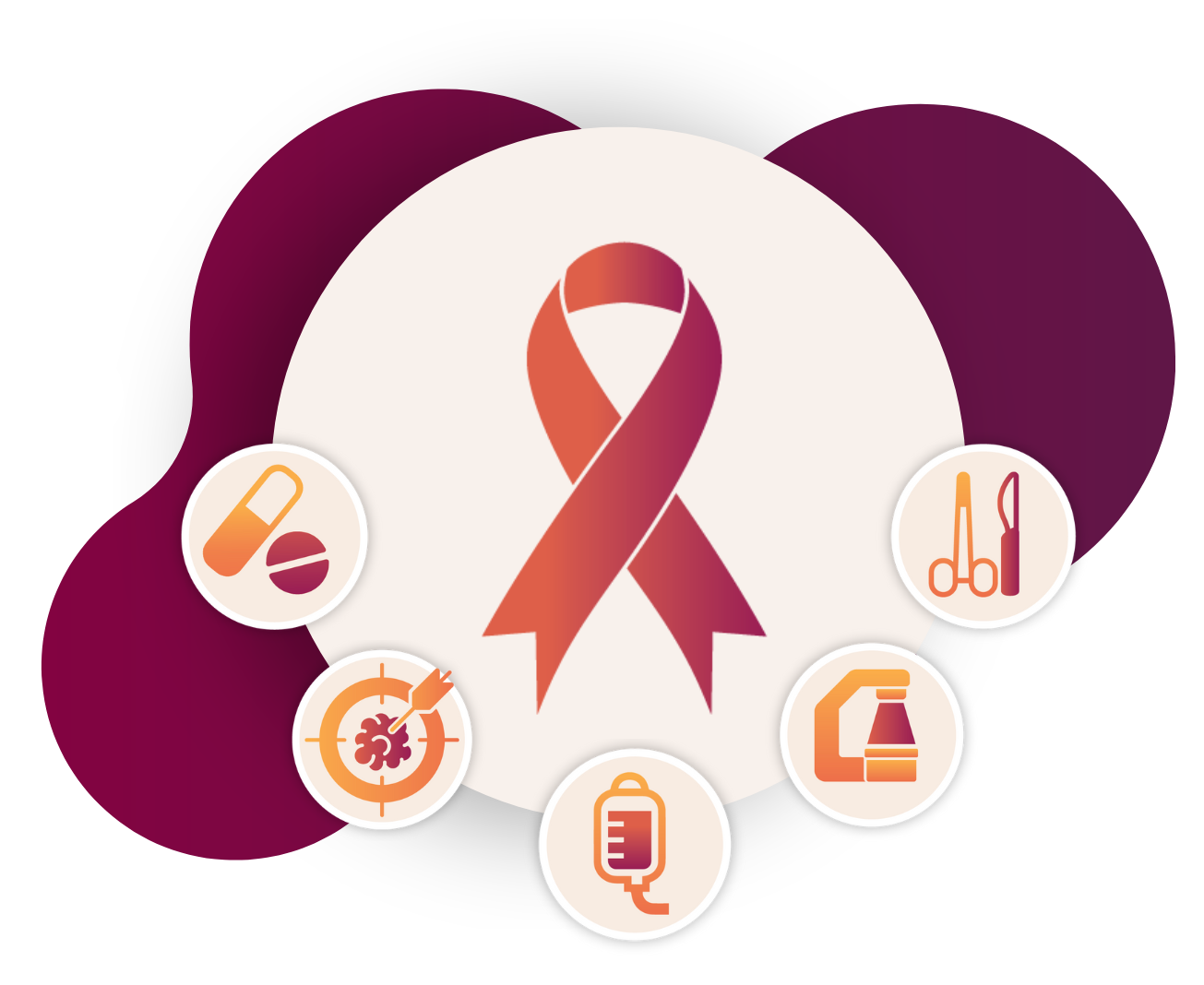
Cancer treatment often involves multiple options based on general data about how most patients will respond to therapy. However, this approach may not be effective for everyone, as treatment responses and side effects can differ. As cancer therapies continue to advance and improve long-term survival rates, tailoring care to each patient’s specific needs becomes increasingly […]
